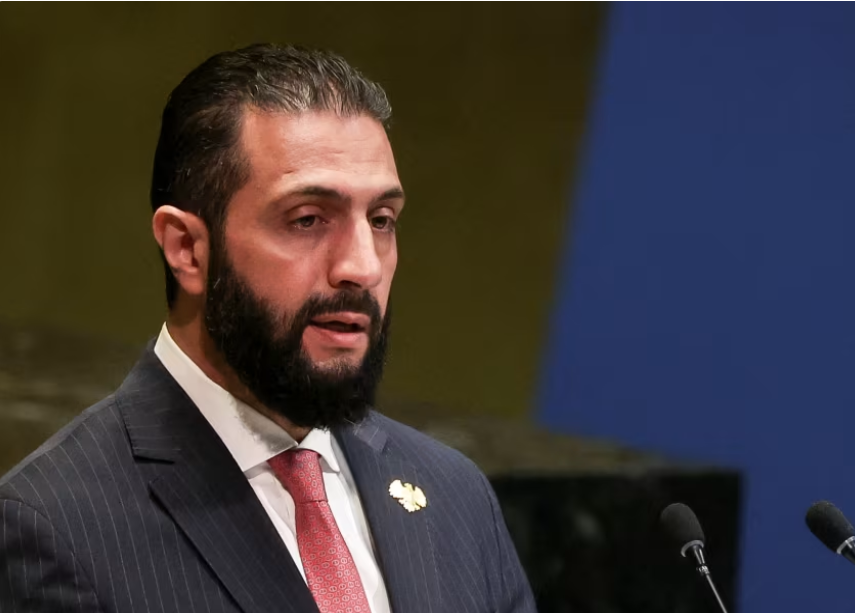
Just seven women have been elected in Syria’s first elections since the ousting of Bashar al-Assad, in an indirect parliamentary election marred by concerns about representation of minorities and the government’s tolerance for full democracy.
Authorities set a 20% target for women’s representation among electoral bodies as a way to ensure that women would have a say in the new government, led by President Ahmad al-Sharaa, a former jihadist.
But in several large districts including Aleppo , the capital Damascus and its countryside, as well as Daraa and Idlib, no female winners were reported in early counts on Monday among the 119 declared winners.
Fewer than 10,000 people in the country of almost 25 million voted as members of handpicked electoral colleges on behalf of their regions.
Under the transitional rules – which came after the ouster of President Bashar al-Assad last year, two-thirds of lawmakers in the 210-seat legislature are elected by the local electoral bodies and one-third are appointed by the president.
One of the parliament’s key tasks will be to draft a new constitution for the country and prepare for direct public elections in the next term.
With such a small fraction of the female quota filled, expectations are growing that the president’s appointed third may be used to raise the overall share of female lawmakers.
“Few women have been elected, which means that Sharaa may feel obliged to appoint a number of women among the 70 parliamentary members that he selects directly. Damascus and Aleppo have yet to announce their winners,” Syria watcher Joshua Landis said on X.