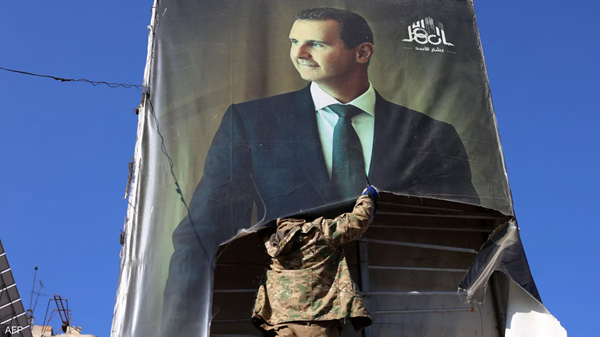
Dmitry Novikov, First Deputy Chairman of the Russian State Duma’s Committee on International Affairs, described the request to hand over former Syrian President Bashar al-Assad to the new authorities in Damascus as “strange,” warning that Assad could face “revenge” if Moscow were to comply.
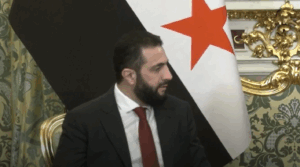
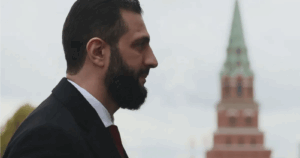
Earlier on Wednesday, Agence France-Presse (AFP) reported that Syrian President Ahmad al-Shar’a, who visited Moscow that day, planned to demand the extradition of his predecessor, who fled to Russia after being ousted in December of last year.
The Russian news outlet Lenta quoted Novikov as saying that the demand to hand over Assad “seems strange,” reminding that Assad “was once a democratically elected leader under Syrian law,” and noting that “he could be eliminated if returned to Syria.”
The Russian lawmaker added that many former political figures from various countries currently reside in Russia, including former Ukrainian President Viktor Yanukovych.
“If Russia were to take this path, it would contradict its human rights principles,”
Novikov said, adding that it is “highly unlikely that Moscow would agree to such a request.”
Commenting on Syria’s demand for Assad’s extradition, writer and political analyst Abbas Sharifa told Sky News Arabia’s program “Studio One with Fadila” that “the Syrian public views the handover of Assad as more important than any other issue,” describing it as “a symbolic step toward restoring the Syrian people’s rights.”
Sharifa added:
“Simply handing Assad over and putting him on trial would be more significant than the Russian Hmeimim Air Base itself.”
If Russia were to agree to the extradition, Sharifa said it would “grant substantial legitimacy to the current Syrian leadership.”
However, if Moscow refuses to hand over the former president — to whom it granted humanitarian asylum and who has pledged not to engage in any anti-Syrian activity — Sharifa explained that Damascus will likely freeze the issue, stressing that it “will not become an obstacle to restoring bilateral relations” between the two countries.